How to prevent it (especially during menopause)
Does it hurt when you pee?
Burning, a continuous urge to go to the bathroom, lower abdominal pain…
If it's happened to you at least once, you know how annoying it can be.
We're talking about cystitis, an inflammation of the urinary tract that primarily affects women and, unfortunately, often tends to return like an unwelcome guest.
Many people search on Google:
"cystitis natural remedies"
"how to quickly get rid of cystitis"
"cystitis in menopause what to do"
The good news is that prevention often really makes a difference.
And small daily actions can help a lot.
What is cystitis and why does it occur?
Cystitis is an inflammation of the bladder, often caused by intestinal bacteria (especially Escherichia coli) that manage to ascend the urethra.
Women are more affected because their urethra is shorter and closer to the anus.
Among the most common causes are:
-
not drinking enough during the day
-
holding urine for too long
-
sweating and heat
-
overly aggressive intimate cleansers
-
sexual intercourse without natural lubrication
-
alterations in vaginal pH
And it is precisely here that a particular time in a woman's life comes into play: menopause.
Cystitis and menopause: why it's more frequent
During menopause, several hormonal changes occur that can also affect the balance of the urinary tract.
In particular:
-
vaginal pH changes
-
poor natural lubrication
-
tissues become more sensitive and delicate
This can make the occurrence of irritation or cystitis after intercourse more likely.
It's not something "strange" or "inevitable."
It's simply the body changing... and needing new balances and different attention.
Drinking plenty really helps prevent cystitis
It may seem trivial, but it's one of the most effective tips.
Drinking plenty helps to:
-
dilute urine
-
promote the elimination of bacteria
-
keep the urinary tract clean
During warm months, the body may even need 3–4 liters of water or herbal teas per day.
Detox herbal teas can be a valuable aid because they support kidney function and help the natural drainage of fluids.
A small daily action that is often underestimated.
Intimate hygiene: small mistakes that can promote cystitis
Another fundamental aspect is intimate hygiene.
Some common mistakes can promote irritation or the ascent of bacteria.
For example:
-
washing too often with aggressive detergents
-
using products not suitable for physiological pH
-
washing from the anal area towards the vagina
Always remember that intestinal bacteria can easily ascend if hygiene is not correct.
It is better to choose a PH5 soap like Sant'Egle's and respect the natural flora of the skin.
Cystitis after intercourse: what can help
Many women experience cystitis after sexual intercourse, especially during menopause.
Some small precautions can help a lot:
-
urinate after intercourse
-
gently wash the area
-
use Sant'Egle's organic calendula oil to keep the vagina soft
-
dedicate time to foreplay
When tissues are more sensitive, gentleness and complicity become truly important.
Diet and cystitis: what to avoid
Diet can also influence the well-being of the urinary tract.
In case of cystitis or predisposition, it is best to reduce or avoid:
-
spicy foods
-
refined sugars
-
cured meats
-
very aged cheeses
-
alcohol
-
coffee
It's better to prefer:
-
fresh fruit
-
green leafy vegetables
-
whole grains
-
foods rich in vitamin C
A more natural diet helps to support the body's balance.
Menopause and intimate well-being: a natural aid
When entering the menopausal phase, the body changes and may need targeted support.
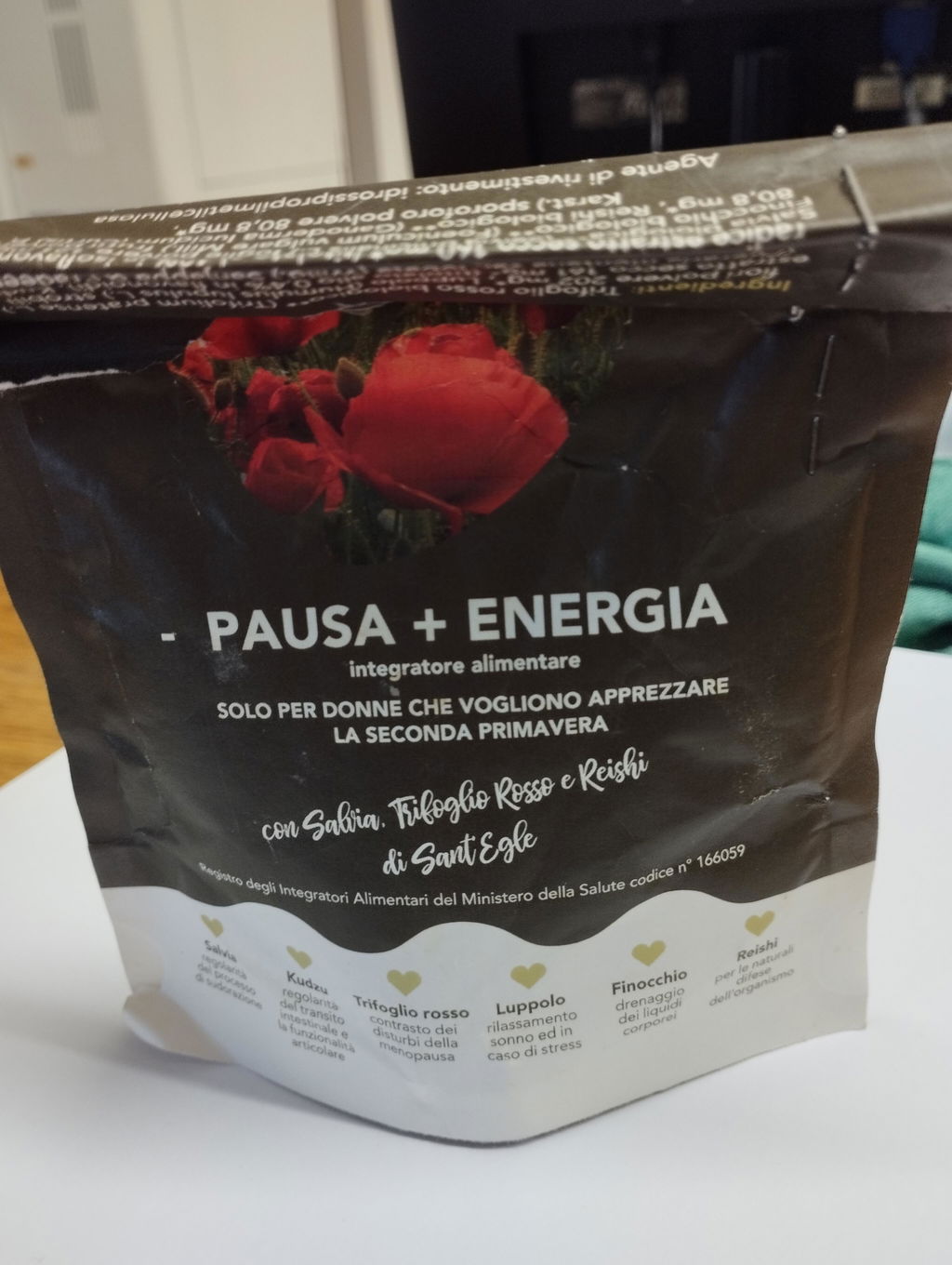
That's why we created Organic Menopause – Pause + Energy by Sant’Egle.
A biological supplement designed to naturally support some aspects that many women experience during this phase:
-
hot flashes
-
mood swings
-
bloating
-
dryness
-
vaginal pH balance
The goal is not to "fight the body", but to help it regain its natural balance.
👉 You can find a kit dedicated to all this here
Preventing cystitis is possible
Cystitis is not something to accept as "normal".
It often arises from small daily imbalances.
Drinking plenty, maintaining hygiene with delicate products, choosing a natural diet, and supporting the body during times of change—like menopause—can really make a difference.
Nature often already knows what we need.
Sometimes we just need to start listening to it again 🌿
⚠️ Disclaimer
The information contained on this site is for educational and informational purposes only. It does not replace medical advice. Food supplements are not a substitute for a varied and balanced diet and a healthy lifestyle.